
Join 39 other ANZCA fellows · Five mornings, 08:00 to 12:30 · Long Beach, Phu Quoc
25 ANZCA CPD hours in five mornings, 13 of them Category 1 — then the afternoon is yours from 12:30
The case conference that needs three contributing participants? The M&M that needs a department? The clinical audit that needs data you do not have? All three done before February, verification forms in your bag. Your kids fly home going on about the koi and the clownfish.
Hi!
I'm Chris Bonney, FANZCA in Victoria. On the worst day of next year, will any of this year's CPD have helped you? A morning of slides does not pass that test. Somewhere along the way CPD stopped being education and turned into accounting. But you did not train all those years to become an accountant.
Everything below is the opposite of that. And your family gets the better half of every day of it.
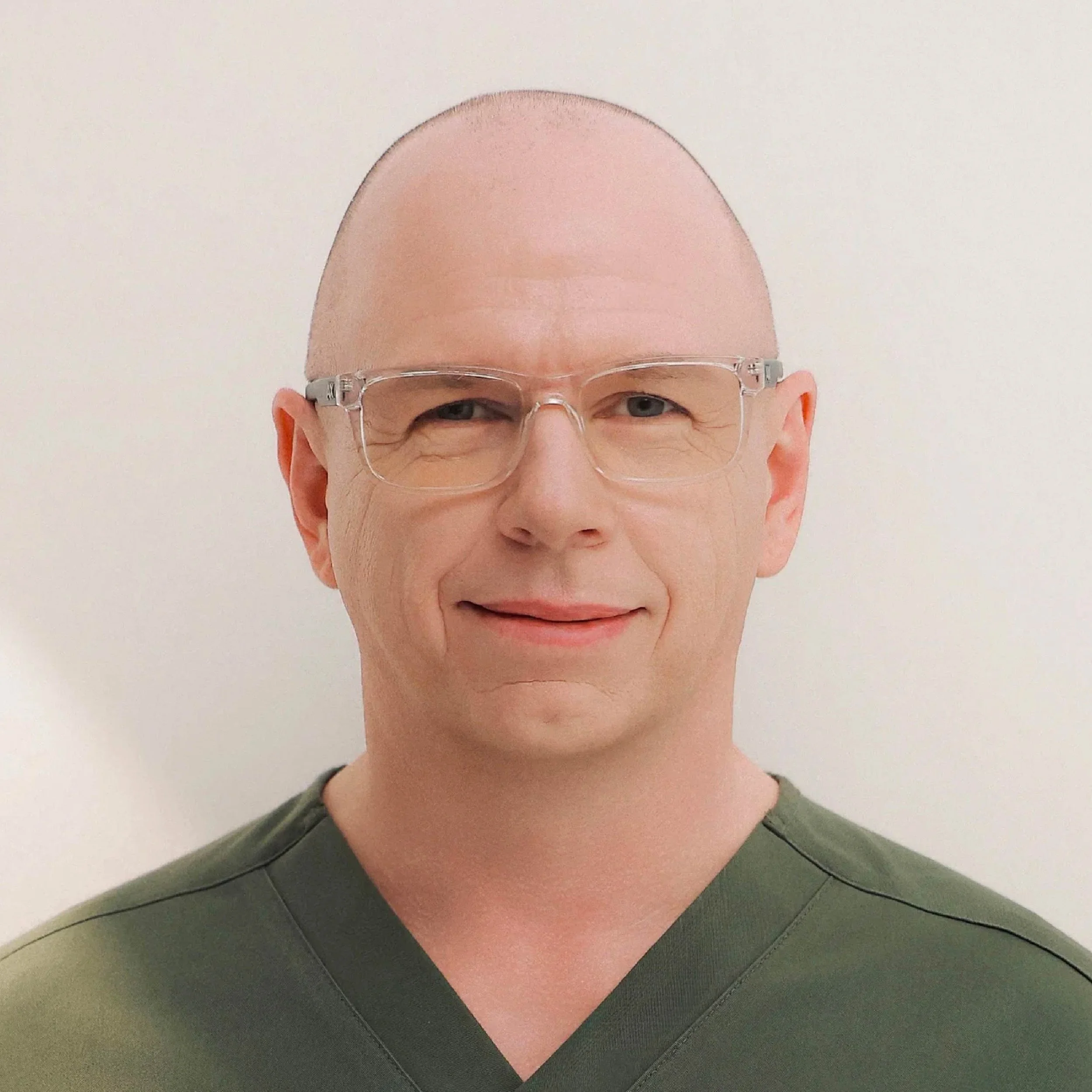
Dr. Chris Bonney,
FANZCA · Victoria
Message me on WhatsApp, or talk to me on the phone. Doctor to doctor.
Not deciding today? Take the programme outline with you (PDF).
IN A NUTSHELL
What · 25 ANZCA CPD hours, 13 of them Category 1. Clinical Audit and Emergency Response Activity included
When · 18–22 January 2027. Group rate holds three days either side.
Where · Regent Phu Quoc, Long Beach, Vietnam
Hours · 08:00 to 12:30, five mornings. Afternoons free on the programme.
Family · Not an afterthought. Partners and kids are welcome all week. White sand, clear water to snorkel in, a villa with its own pool.
Kit · Four GE VScan Air units, live models, small groups
Room · Six faculty · 40 seats
INSIDE THE 25 CPD HOURS
Emergency response · Category 3 covered in the first month of the year, also counted as 2 h Category 2 · college-approved, faculty accredited under ER-26-OIVI-004
Case conference · 2 h Category 1 · structured as ANZCA's own case discussion activity
Critical reflection · 4 h Category 1 · over a drink, across the week
Clinical audit · 2 h Category 1 · against the Association of Anaesthetists' hip-fracture guideline
M&M · 1 h Category 1 · on cases you've sent ahead
Analysing outcomes · 1 h Category 1 · one published dataset, four groups, a spokesperson at the end
CPD plan · 1 h Category 1 · the year planned before it starts, faculty in the room
Cultural safety · 1 h Category 2 · in the room, not an online module
Upper limb, lower limb, and the block you nominate · 4 h of the blocks you've wanted to learn for years, nominated by you, taught on live models by regional anaesthesia experts
Gastric POCUS · a two-hour workshop, then a dated scan log of 20 faculty-observed scans against ANZCA PG47
Wellbeing Sessions · 2 h held by Chuck Chapman, clinical psychotherapist
Pain: nociception is a misconception · Philip Cornish, dual fellow in anaesthesia and pain medicine, twice winner of the Gilbert Brown and Ritchie prizes
Total · 25 ANZCA CPD hours
This retreat is confirmed. Venue contracted, faculty booked, dates locked. No minimum numbers.
Regent Phu Quoc · 18–22 January 2027 · CPDhero.com

Below: the week, how it runs, who runs it, and what you'll take home.
Sunday 17 January
Your name is on a board before you have collected your luggage.
You are met in the arrivals hall, not at the taxi rank. While you are still at the carousel, a driver is standing there with your name on a board, and a quiet car is waiting outside for the twenty minutes to the resort. If you are travelling with three children and a pram, that is the hour of the trip you were dreading, and it is gone. If you take Platinum, someone meets you before immigration and walks you through it as well.
The Regent sits on the west coast, on Long Beach, so the sun goes into the water in front of you every evening rather than behind the building. Travel+Leisure's readers voted it the number one resort in Southeast Asia. Tripadvisor has it at 4.9 across more than a thousand reviews — go and read them before you decide anything. Everything happens on one piece of ground — the room, the lunch terrace, the pool, the beach, your bed. Between the last session and the sea there is a lawn, a pool, and no car: at 12:30 you walk out in the clothes you sat in, and your feet are wet before one.
At four there is champagne and freshly shucked oysters on the beach at Ocean Club, with a saxophone, because it is Sunday and that is what the Regent does on Sundays. By Monday morning you will already know at least six people.
Bar Jade — dark, low, built to look like the golden age of train travel — is open until one. There is no session until eight.
Long Beach faces west. The sun goes into the water in front of you.
Monday 18 January
The CPD plan done properly, in week three, the first scans in the log — and the family in the water by two.
07:00 Sunrise yoga on the roof
Thirty minutes, the Gulf of Thailand below you, and you can still be in the room by eight. That is not a claim about balance; it is a timetable. Optional, obviously. Some of us will be conducting a rigorous personal audit of the pillow instead. Both are fine. Neither is on the programme.
08:00 Dig, Adapt, or Die
The week does not open with a block or a college item. It opens with Chuck Chapman — clinical psychotherapist, Portland, Oregon; fifteen years and twenty thousand clinical hours with high-achieving professionals, physicians most of them — who spent the winter interviewing each of us so this hour would be built for anaesthetists and not lifted from a corporate deck.
Chuck Chapman · M.A., LPC · Portland, Oregon

His starting point is a gardener's: a plant that fails is rarely short of sun or water. It is in the wrong spot — and unlike the plant, you can do something about the spot. Three moves, and they are all yours. Dig — uproot and go, which most of us assume is the hard one. Adapt — change what is around you: the list you keep saying yes to, the boundary you never drew, the conversation with your director you keep rescheduling. And the third, which is what most of us are doing by default — stay exactly where we are and hope — and which he calls, without softening it, Die.
His advice is to try the harder move first, and the harder one is almost always Adapt. Every resilience module I have sat through told me the problem was my coping. This one says the lever is the environment — and that I am the one holding it. You walk out with the one change you have been putting off, named, and the first sentence of the conversation it needs, written on the back of the breakfast menu.
When Chuck joined the faculty, one of the anaesthetists asked the rest of us: "Can we just give the whole programme to Chuck?" We didn't. But he opens it.
09:00 The plan you usually write in December
Pooja Agrawal facilitates the annual CPD plan — the document most of us fill in fast to unlock the portfolio and do not open again — written this time properly, in the third week of January, on a terrace above the beach, with the year still in front of you. You complete it in your own portfolio; we do the thinking with you.
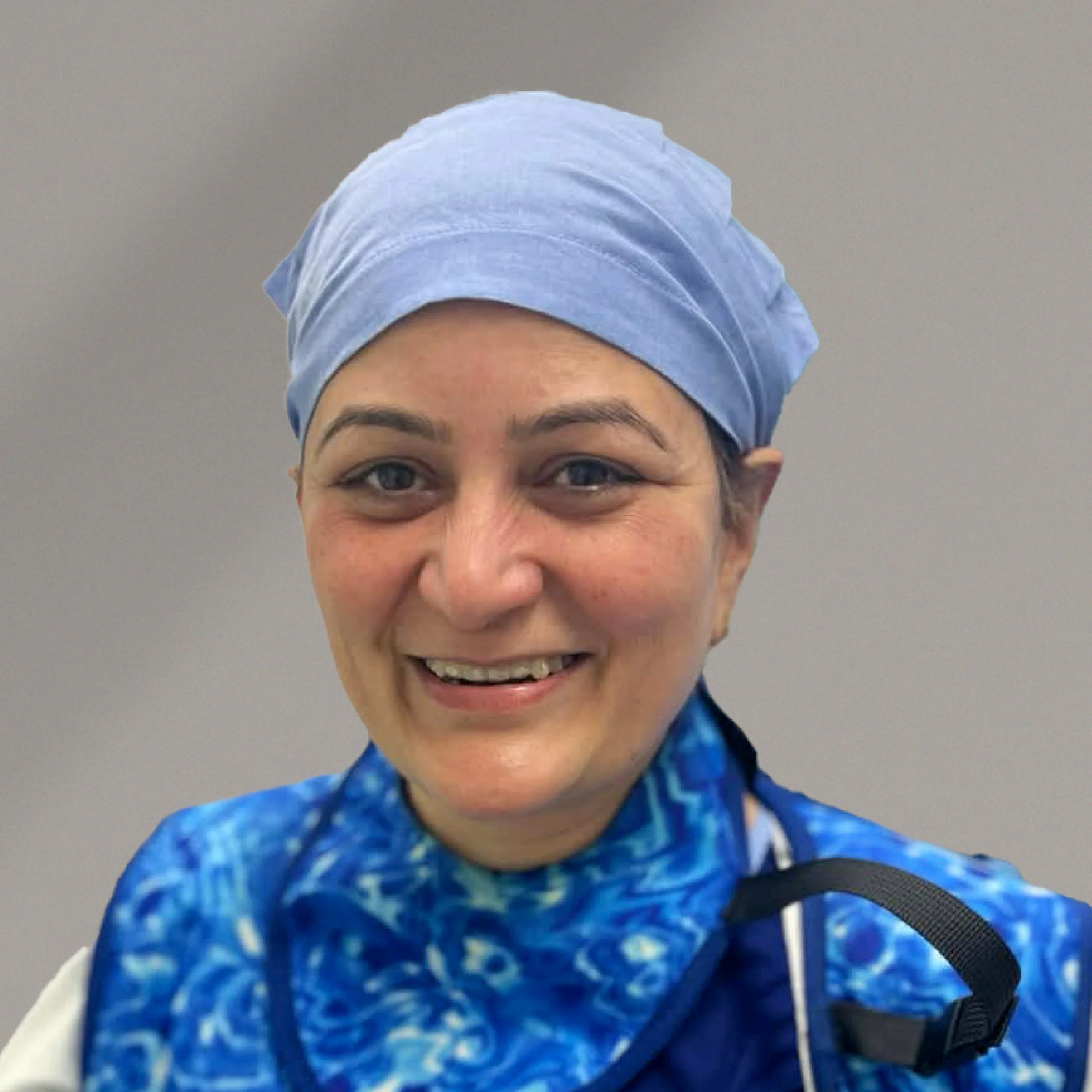
Dr Pooja Agrawal · FANZCA · Staff Anaesthetist, Warrnambool
One of us — the one running the audit on Thursday — described himself in the faculty chat as a poster child for poor CPD management. He is not the only one in that room. This is the hour where this stops.
For New Zealand registrants, the same hour is your annual structured conversation — over a coffee, with a fellow specialist, on day one — instead of waiting for a colleague's diary to open. Much nicer than sitting down with the Head of Department; I'm sure that works, especially for us introverts.
One of the faculty, 26 August, one hour of fifty. He is running your audit on Thursday. If this looks like yours, you are in the right room.
10:30 Gastric POCUS: can you tell what is in their stomach?
Your list is full of patients on a GLP-1. Can you tell what is in their stomach? They fast correctly, and some of them are still full. Since October 2024 the multi-society guidance has named point-of-care gastric ultrasound as the way to assess the risk; a Mayo group put numbers on it this year.
Most of us don't scan. Nobody really wants to, because it takes time away before the actual operation — and because, for my generation, it was not part of training. One of the faculty put it more plainly than I would: aspiration is an absolute nightmare, and I will do anything to avoid it.
Fasted eight hours, on a GLP-1. Would you proceed?
12:30 The lunch that fills your logbook
Catered, included, on the terrace. Volunteers in various states of fasting — some of them faculty — and a probe passed down the table between courses. Five lunches later you have twenty faculty-observed scans, the didactic-plus-scans standard ANZCA's PG47 names on page 7, and a dated logbook of them to take home. Not a credential; the college does not issue one for this. It is the evidence a department asks for before it lets you scan unsupervised, assembled over a week of lunches instead of a year of asking busy colleagues to watch you.
13:30 The cable car, the pool, the beach — pick one
What your spouse and kids do with the mornings is theirs to choose, and most of the good options are not in a club. The yacht out to the hidden bays at nine with champagne as it leaves the jetty. The rainforest trek up wooden ladders. The safari park, the pepper farm, the beach — or a sunlounger and a book beside a pool that has won awards; your kids will not care why. Keilah has mapped the whole week for them — what to do with a six-year-old before noon, what to do with a fourteen-year-old, what to do with nobody but yourself.
And if a morning at the kids' club is what your seven-year-old wants, it is there, no charge, and it runs straight through lunch.
Now the afternoon is everyone's. The cable car — nearly eight kilometres over open sea, one of the longest of its kind in the world — has a session at half past three; the drive is twenty-five minutes; you are back for dinner. Or beach volleyball, which costs nothing and is what "the afternoon is yours" looks like on an ordinary Monday. Or your own pool, ten steps from the bed, and the kids are in it before you have found your sunglasses.
If you have come as a couple: the adults-only rooftop pool on the tenth floor, and a club lounge that pours champagne from seven in the morning — which is an absurd fact, and I pass it on exactly as I found it.
18:00 Drums by the water
A Vietnamese drum performance by the water at six, most evenings. It is the one ritual that isn't on the programme: the afternoon is over, dinner is about to start, and the drums give everyone the same reason to be in the same spot — sandy, salty, and not yet changed for dinner.
20:00 Critical reflection, over a drink
Over a drink. Three or four prompts on what the day did to you; write it down; talk it through at the table. A different one of us chairs it each night — tonight it is me. That is the college's own definition of critical reflection, and it is Category 1, the half you cannot buy in December: the last hour of the day is a drink on a rooftop above the ocean, and it is Category 1.
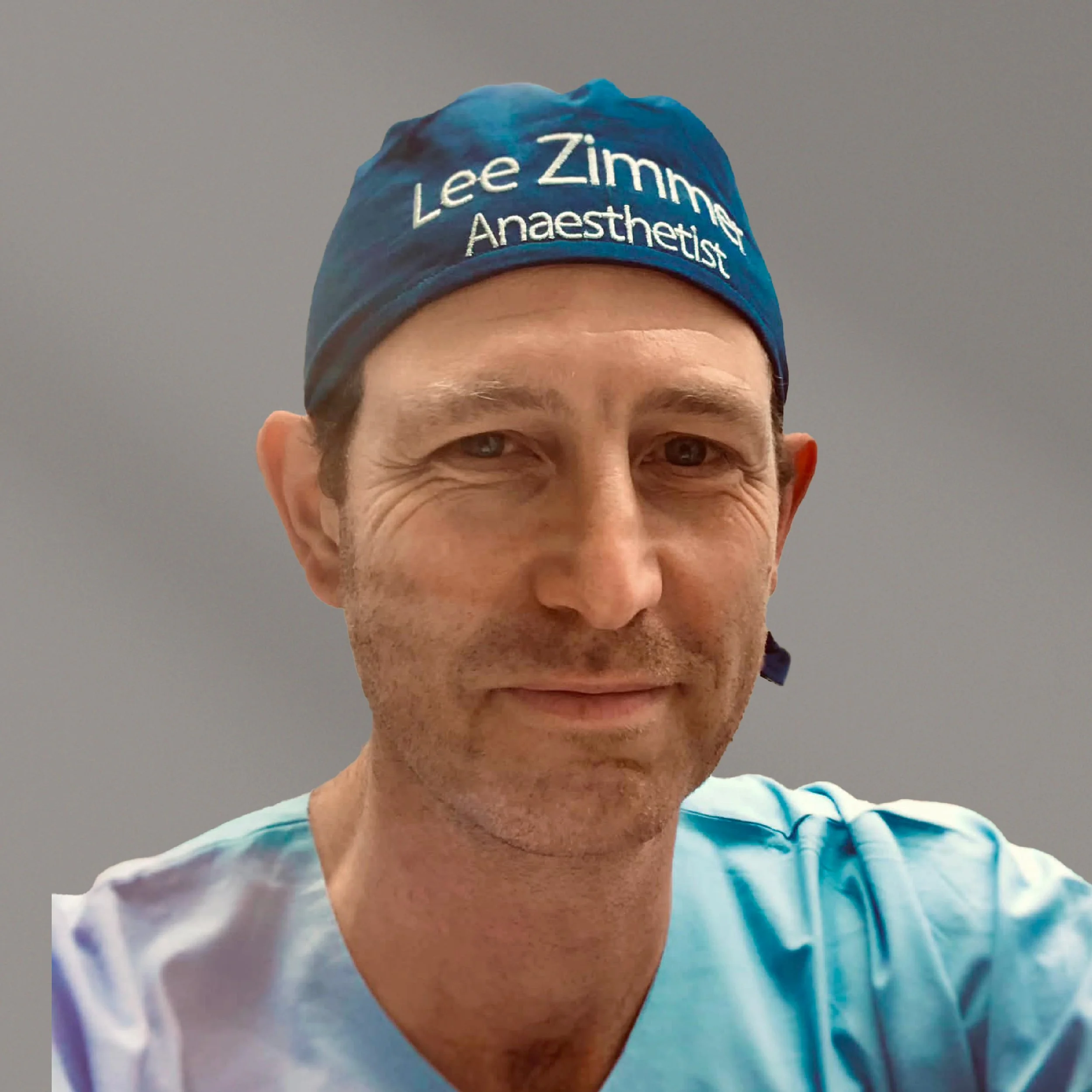
Dr Lee Zimmer · FANZCA DipRA
So the first probe of the week goes on a stomach. Lee Zimmer — who built a regional anaesthesia fellowship programme and a block-room service from nothing — runs it: a short didactic on the criteria, then the whole room scanning, in small groups, with the portable units. The models are volunteers fasted to varying degrees, and nobody tells you which. You mark a card: empty, full, liquid, solid — proceed, or not, and would you RSI. Then the reveal. Then you rotate. The prize for the best card is handed over on Friday. Last time he ran it he found two volunteers on Ozempic without trying.
You walk out at half past twelve with your first scans in the log and a bingo card in your pocket — and the rest of the logbook fills itself over the week's meals, for anyone who wants it, which is the next paragraph.
21:00 Forty peers, one rooftop, one night
An adults-only sky terrace with an infinity pool running out toward the Gulf of Thailand, taken over for one night. One of the faculty says the best conversations happen in the margins — over coffee, between sessions, when people stop performing and start talking. The margins need a room. This is it. Barefoot at the bar, cold drink, and a colleague you met this morning tells you exactly what they did the night it went wrong.
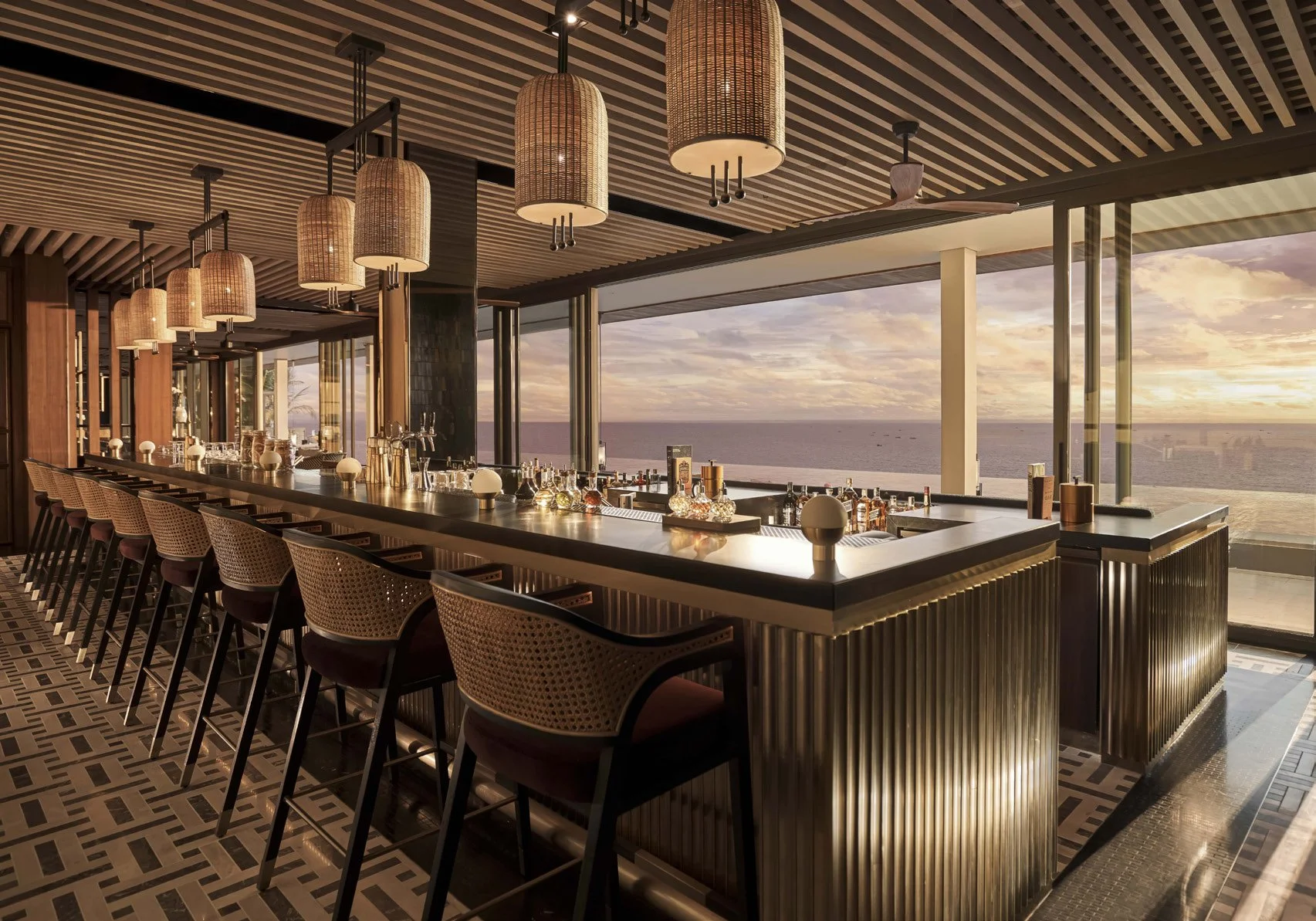
Level 10, Sky Wing.
Tuesday 19 January
The two items that haunt colleagues every November — done before lunch on day two. Wet hair at dinner.
04:30 Twenty kilometres of beach, and the gym never shuts
Twenty-four hours, so it is open at whatever hour you call morning. Outside the door there are twenty kilometres of beach to run on, and the fish market in town will open at five.
08:00 Cultural safety, done in company
The item most of us postpone until December and then click through alone at the kitchen table. Done in the room, on the second morning, in company — and gone from your list by nine, before the coffee has gone cold.
09:00 The patient you would rather not have on your list
Philip Cornish — dual fellow in anaesthesia and pain medicine, doctorate in regional anaesthesia — puts a published theory in front of forty specialists: pain as a peripheral phenomenon, coded by specific sodium channels, not a construct of the brain. Two hundred and thirty-one implanted patients, a University of Adelaide statistician on the paper, iScience 2025. He states the limitations himself and takes the room's best objections. Hard to leave without an opinion — and you will still be having it at the pool at three.
Dr Philip Cornish · FANZCA FFPMANZCA MD
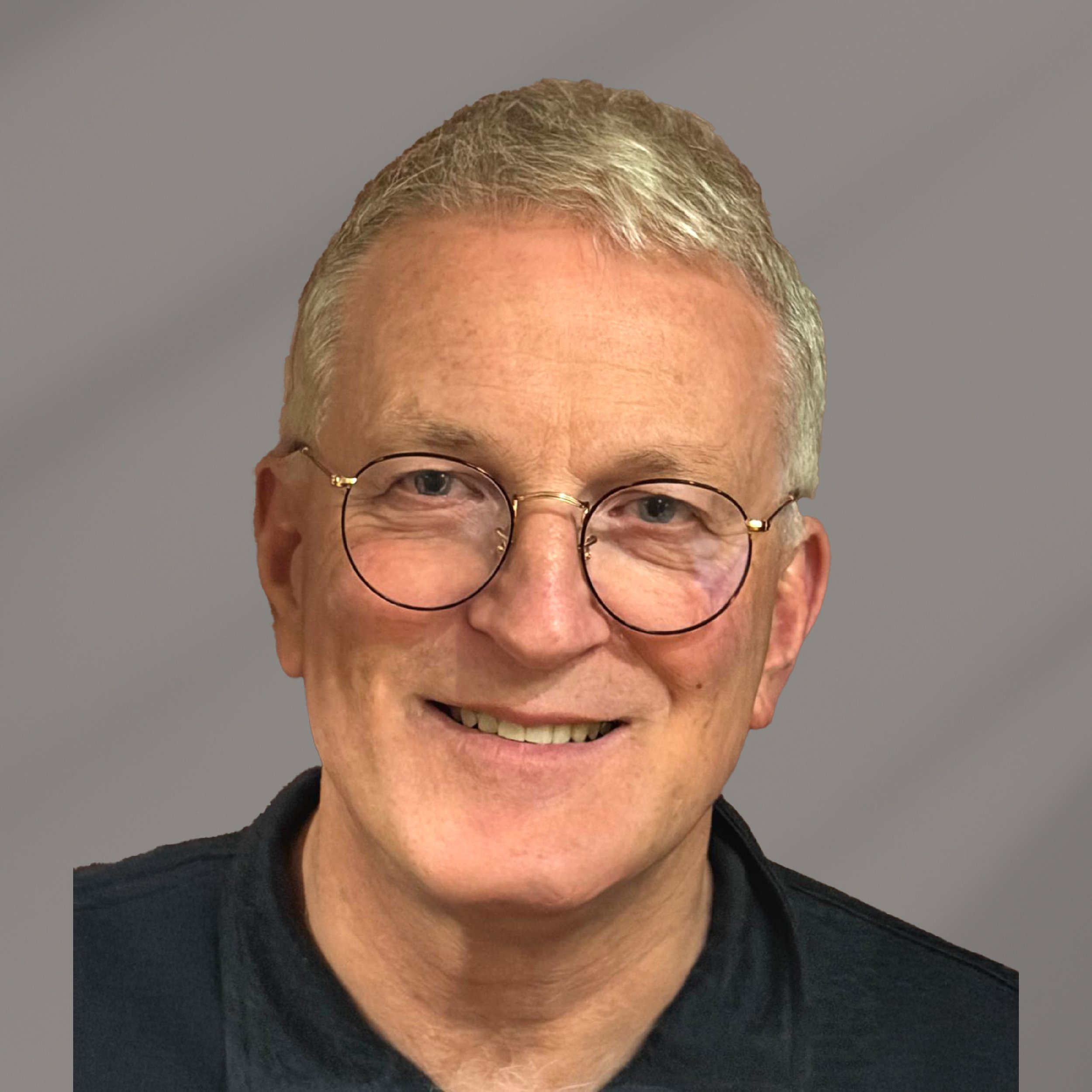
Underneath the debate is the question no programme schedules: what you actually do with the patient whose pain you cannot fix and whose list is hard to get covered — including cancer pain, which appears almost nowhere on any programme I have sat through.
10:30 Emergency response: OIVI, and the cases you lose sleep over
The tick-box takes twenty minutes. The rest is the cases you lose sleep over.
The November hunt for an emergency response course with the right dates — not this year. This one is approved: submission accepted by ANZCA, signed off by the Chair of the CPD committee, faculty trained under ER 26-OIVI-004, one of nine activity types the college recognises. We chose opioid-induced ventilatory impairment because it is not available online, it needs no equipment, and it is decidedly more relevant than malignant hyperthermia in its occurrence rates.
The mandatory content is done by ten to eleven. Then the cases the faculty built — five of them — which you will recognise because you have had them.
The forty-year methadone patient. 60 mg a day, spinal cord stimulator explanted, BMI 37, COPD on steroids, a regional town with no pain service — and you are covering the list for a mate.
The catheter that fell out overnight. A perfect supraclavicular on a Suboxone patient, dislodged by morning. Rapid response for a pain crisis at three. He refuses another.
The 45-kilo eighty-year-old. A long lap hemicolectomy, seven of oxy in the last ten minutes, respiratory arrest in recovery. Now in pain after the naloxone.
Eight ribs and a sternum. Opioid-naive, twenty of morphine on the road, a textbook paravertebral. Fifteen minutes later: unrousable, saturations of 76.
Buvidal 500 mg monthly. Which one of the faculty had never heard of either. That is a tricky pain round.
Near-miss and survivor cases, on purpose: the patient is still alive at the end of each one, so the question is what you do next, not what went wrong. Two cases run deep rather than four skated over. Disasters do not happen by themselves. The thread that changes your Monday list: sedation is the marker, and we score it inconsistently — and here is what to do about that. Philip's hour was the patient. This is the night he stops breathing.
You walk out at half past twelve with the emergency response item logged, recorded under Category 3 exactly as the college records it, five cases you will recognise on a Tuesday ward round — and the sun not yet at its highest.
12:30 Lunch, scans, and the reef
The family snorkelling trip leaves An Thoi at ten past one: a guide kneeling in the shallows fitting a mask to an eight-year-old, taking as long as it takes, and then the one sighting the operators call almost guaranteed — clownfish in the anemones, the whole family snorkelling over the same reef, pointing at the same fish. Home by six. Wet hair at dinner, and nobody comments. By tonight you have stopped putting your shoes back on after lunch.
Dinner is at Rice Market — family-style, open from half past six in the morning because somebody thought about an eight o'clock start — the restaurant Travel+Leisure called one worth flying for. You are flying anyway.
The one the operators call almost guaranteed.
20:00 The hour the college counts, over a drink
Lee chairs. Same rules, different prompts, a different table.
Wednesday 20 January
The case conference, on the coroner's cases. Then the phrenic nerve, and then the yacht.
08:00 The case conference, on the coroner's cases
The college's case conference needs at least three participants, all taking part in the discussion. If your case discussions happen in a group chat, this is the row in the portfolio that never fills.
Wednesday morning the room fills it. Two hours on coroner's cases — the findings on the table, nobody in the room who was there, and the only question worth two hours: where did it turn, and would you have seen it — with six faculty across the table and thirty-nine colleagues who do exactly your job. Your own case waits for Friday. These are the ones the whole specialty is meant to learn from, and mostly reads alone. Structured as the college's own case discussion activity — ANZCA's name for it, printed as ANZCA writes it — and mapping to reviewing performance: Category 1, logged without you finding three colleagues free on the same Thursday.
10:30 Upper limb, phrenic-sparing, on live models
Malcolm Albany chairs the ultrasound stream — twenty years of regional, DipClinUS, former head of department. Demonstration first, then the probe in your hand in a small group, on people, not phantoms, with four GE VScan Air units we bought outright and shipped to the faculty. Malcolm is still negotiating with Sonosite over screen size for the truncal blocks. We are all gadget hounds; he is worse than most.
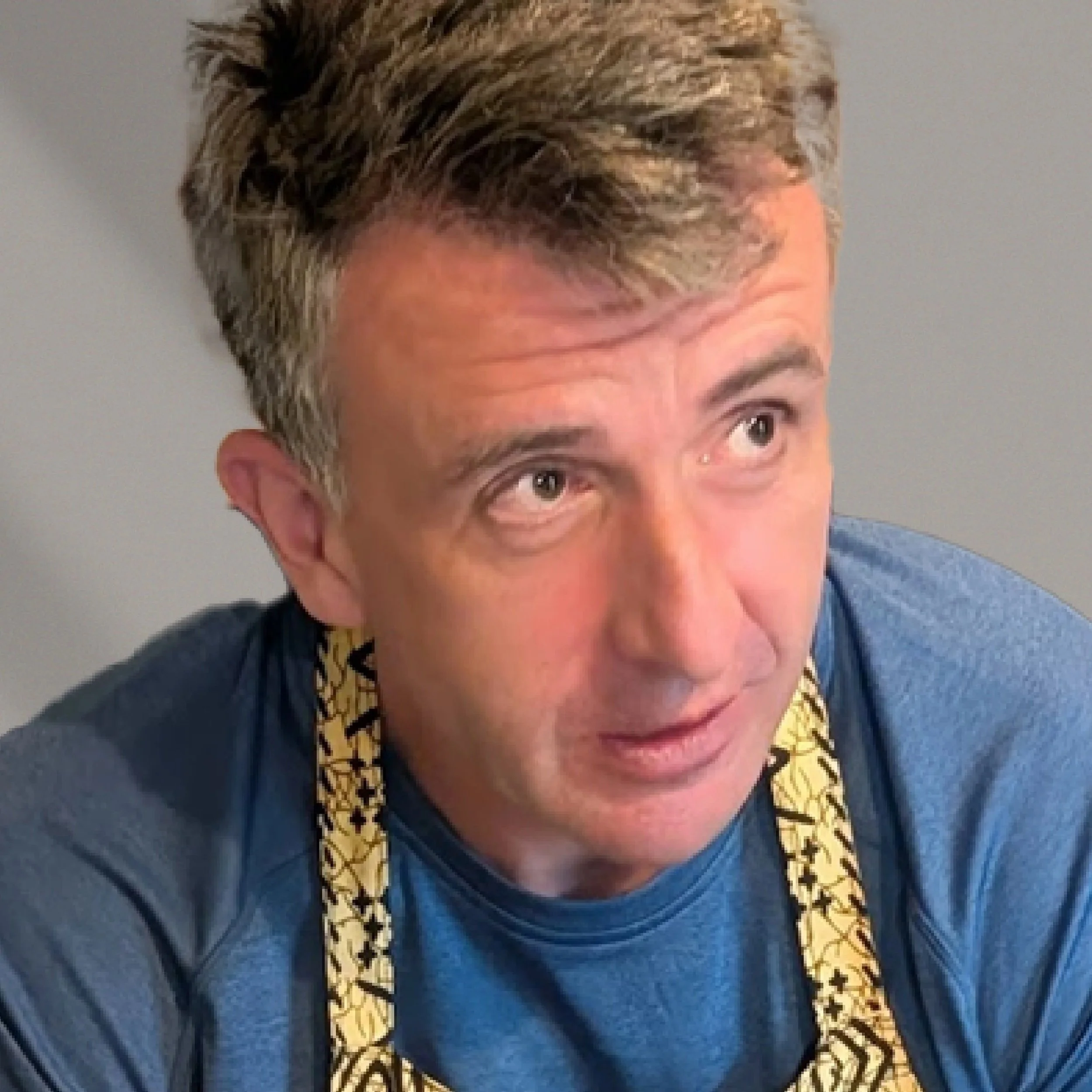
Dr Malcolm Albany · FANZCA DipClinUS
After you book, and before you fly, we ask you to rate your own comfort with each block category from 0 to 5 — a number, seen by the faculty only — and the scanning stations are sorted from it. You will not spend the morning behind someone who has done five hundred interscalenes, and nobody has to declare "beginner" in front of forty peers.
This is the phrenic-sparing morning. Classical interscalene paralyses the hemidiaphragm in close to every patient — fine for a fit forty-year-old, not fine for the COPD shoulder on your Thursday list. The alternatives are an active literature, and many of us have opinions rather than a technique. Philip's doctorate was on supraclavicular brachial plexus anaesthesia — the territory this whole question sits in — and he is in the room for it. You leave with a shoulder block you can defend to any respiratory physician — and say so over lunch, twenty metres from the beach, with a probe still in your hand.
Meanwhile, your partner and the kids
The kids' cooking class needs a minimum of two children, which means your eight-year-old and somebody else's can end up in the same kitchen with chef's hats on. That is how eight-year-olds become friends, and how two families end up at dinner together. Your partner has the morning on the roof, or on the yacht, or asleep. The rest — and there is a lot of it — is in Keilah's letter.
15:30 The sunset sail
The resort's yacht leaves at half past three. The children have the paddleboards and the ice cream; somebody hands you a glass of champagne; and the sun goes into the Gulf of Thailand while the whole family watches from the same deck. Back after dark, in time for the eight o'clock. Sand in the folder by now.
20:00 The hour the college counts, over a drink
Philip chairs.
Thursday 21 January
Your own hip-fracture practice, audited against the guideline, before lunch. A giraffe fed from a buggy while it happens.
08:00 Behind "I'm fine"
The hour on the colleague who has become expert at appearing fine, from the psychotherapist who opened the week. He was one — thyroid cancer at thirty-eight, in a career he had come to hate. Handled with understatement, because this room has lost people and knows the numbers. You leave knowing what to say next.
09:00 The audit you did not have to manufacture
Four routes clear the mandatory practice-evaluation item. Multi-source feedback needs six colleagues to write about you. A patient survey needs fifteen patients. Peer review needs a senior colleague free to watch you work for half a day. Clinical audit needs a dataset and a benchmark — and if you left the public payslip years ago, you have neither. Could you name, today, which of the four will discharge the item this year?
Thursday morning runs it, and the dataset is you. Before you fly, a short questionnaire asks how you managed your last fractured hips — the block, the anaesthetic, the analgesia, the things you did because that is how you were taught. In the room, Lee puts the Association of Anaesthetists' hip-fracture guideline on the screen, the room's own practice beside it, and the questions come to your phone as he goes. Clinical audit of your own practice, in the college's own words, against a published standard rather than our opinion — with forty colleagues' practice to measure yourself against, which no department of six can give you. Philip does not buy the case for neurolytic techniques in the non-operative hip, and will say why.
No audit to manufacture this year. Ten minutes of questionnaire in December, and the year's hardest item is discharged before lunch on the Thursday, verification form in your bag.
11:30 Analysing outcomes: Sip Til Send
Sip Til Send. One published dataset, the room split into four groups of ten, each working out what the evidence means for its own practice, a spokesperson at the end. Faculty facilitate; nobody lectures. One more hour of Category 1, and the conversation carries on at the bar with your feet in the sand.
While you audit: your spouse and the kids
While you were auditing, your spouse and the kids were feeding a giraffe from a buggy at Vinpearl Safari, an hour's drive up the island — the "humans in a cage" drive-through, some of the animals having come all the way from Australia. Back by four.
13:30 Heavy legs after a fourteen-hour list
The afternoon is yours again, and this is the one to spend on yourself. The spa runs a medical pedicure studio — a French podiatrist's method, toes to knees, muscle tension, joint mobility, circulation — built for people who stand on hard floors for decades. The resort says it is ideal for heavy legs after long flights. You will read that differently. Or thirty minutes on the vibroacoustic bed, or buried to the neck in warm quartz sand, or nothing at all. Six sunsets, straight ahead, drink in hand, nowhere to be.
20:00 The hour the college counts, over a drink
Pooja chairs.
21:00 Dinner on the sand
A long table on Long Beach, lanterns, the sound of the water. Wet shorts, cold drink, and the case you have carried for two years finally gets talked through properly, by someone who has been through the same thing.
Friday 22 January
The room's own morning: your case, then the blocks the audit pointed to.
08:00 The M&M you cannot have at home
You have one. The list you replayed on the drive home for months, the outcome you never fully talked through because there was nobody to talk it through with — or because the people who were there would remember.
You sent it ahead, and this morning the room takes it properly: six specialists, forty peers who do exactly your job, away from your own department. It matters most if you are in a small department that does not run an M&M every month, or on a private list that has no department at all. Measuring outcomes, the category you cannot buy in December, from the case you would have paid to be rid of — and a whole afternoon, and a beach, to let it settle.
10:00 Lower limb: the block you were taught, or the one the guideline recommends?
Yesterday you audited your hip-fracture practice against the guideline. This morning you place the blocks it recommends. Fascia iliaca and femoral for the fractured hip, which the Association of Anaesthetists backs for early pain control and most of us place less often than we could. And for the arthroplasty, the block the ground moved under this year: PROSPECT's 2026 update took the PENG block from not recommended in 2021 to recommended, alongside supra-inguinal fascia iliaca. That is not an update on your reading. That is a change to what you place. Is your hip block the one you were taught, or the one the 2026 guideline recommends? Malcolm's title for the session is "searching hip and knee nirvana", and nobody on the faculty claims to have found it — which is why the room talks back rather than takes notes. You leave able to say out loud which block you would place for a hip, and why.
The block you nominated on Tuesday
The last ultrasound hour of the week has no curriculum. Bring the block you have meant to learn for three years and never had a reason to book a course for — PENG, erector spinae, adductor canal, whatever is on your list — and watch it placed, on a live model, by someone who has done a great many of them. Then the last half hour: six of us in a row, no slides, taking whatever the room has been chewing on for five days.
12:30 The last lunch, and the logbook closes
The logbook, dated. The prize for the best bingo card. Nothing planned for the afternoon, on purpose: the hours are in the portfolio, and the sun is still high.
20:00 The department you take home
The final hour is not a summary and not a keynote. It is forty specialists who have spent five days together, in one room, faculty included — the closest thing to a department many of us have had in years. Then out onto the terrace for the farewell drinks, where the decision about the next one gets made — not in an email six weeks later.
Saturday 23 January
The day the week was built to end on.
The programme ends Friday. Our room rate runs three days either side, and the Tuesday after is a public holiday — take the Monday, and one day off buys you four. A surprising amount of the island only fits into a day with no session in it. Golf at six, with a caddie and a buggy included in the round. The resort's yacht for the whole day — twelve people, three families or a delegate and the colleagues they talked into coming, lobster and prawns and Australian saltbush lamb cooked on deck while the children swim off the back.
A pepper farm in the north where the farmer hands you a drink made from the crop you are standing in, a bee farm where you put on the veil, a working Zen monastery on the hill above the sea, lunch on a floating house with the water under the floor.
The cable car to the water park, and back for the night market, the water show at half seven, and Kiss of the Sea at nine: a sci-fi musical about defending Phu Quoc from an alien invasion, ending in seven minutes of fireworks, which is a plot summary I could not improve on. Dinner at a Robb Report top-25 restaurant in the same building where you spent the week talking hip blocks, with no session the next morning.
A retreat that ends on a Friday and puts you on a plane the same afternoon feels like a course. One that ends with a Saturday feels like a holiday that contained a course.
Where you sleep, all week
If there are four of you, a villa with its own pool, because the suites take two adults and one small child — the room decides that, not the budget. Two of you: a suite with a daybed on the balcony facing west, or a villa with a private infinity pool ten floors up. Either way the Regent washes and presses three pieces per bedroom per day, which for a family of five over six nights is the difference between one suitcase and three.
Somewhere, right now, a partner is writing a note like this one: "It would be lovely if, on one of your days off, you could lock in a day with our family — just as you lock in an appointment with your accountant. Please plan for it." This is that day, five times over, with the hard half of your CPD year logged around it.
Coming alone is normal too. There is a table you are expected at every evening and six people you met on Sunday. The afternoons are the part nobody warns you about: a daybed facing west and no one to consult, or the cable car with a colleague who also came alone and also wanted to see it. The room is the point, and there is a moment on the second afternoon when you realise nobody needs you until eight tomorrow.
Keilah has written your family's half of the week — the rooms, the kids' days, and how a family actually spends it. You can read it here.
Terrace Pool Villa. Four of you, one pool, no shared wall.
Sky Pool Villa, Sky Wing. The private infinity pool, facing west.
What you take home
What comes home in the folder, along with the sand: a certificate. A category-mapped CPD log, ready to upload. The verification forms. The programme document — each hour, each category, each name — and you keep it. The gastric scan logbook, dated. An itemised invoice for your accountant. A Friday morning's worth of notes on your own case, from six people who took it seriously. And a hip block you can place on Monday that you could not place last week.
That is what you hand to whoever raises an eyebrow, whenever they raise it. The folder does the arguing, so you don't have to.
First year, said plainly
We have never run one of these. There are no alumni yet, nobody to tell you across a drape what it was like, and I am not going to manufacture that. What I can give you instead is the line which most events in this category do not print:
This retreat is confirmed. Venue contracted, faculty booked, dates locked. No minimum numbers.
The faculty's flights are booked and paid. The ultrasound units are bought and have been in their hands since August. The Salon is contracted.
Not a product shot. The four units, as they arrived in August.
Insurance is in place; the terms and the waiver were drafted by a lawyer. The OIVI application went to the college and came back signed, and I rang the college's CPD team before we sold a seat to ask how they read the activities. The retreat is listed on the college's own event site. It runs whether the room is full or not — that is my risk, not yours. If you register and then cannot come, a colleague takes your seat and everything you have paid goes with it.
The bonus: 2026's item, done before you fly
Everything above is about 2027. This here is about 2026. On Wednesday 25 November, the six of us run a clinical audit on Zoom: ten minutes of questionnaire beforehand on your last ten patients on a GLP-1, then your practice against the fasting guidance and against the room, live. Category 1, measuring outcomes — the mandatory practice-evaluation item, for this year, not next. The verification form is in your inbox by breakfast.
It comes with your seat, and only with it. Register by 23 November and the invitation is in your confirmation email. See what happens on 25 November →
What I have heard in tea rooms, and what I would say back
“Three speakers and they bore you to death.”
Six faculty to forty delegates, in the room and around it all week.
“The presenter was just reading off the slides.”
Live models, four ultrasound units, and a Friday hour with no curriculum until the room writes it.
“Whether I do it in a ballroom or in the seat of a plane shouldn't make a difference.”
Try that with an M&M on your own case.
"'Update on XYZ' is stuff I've already been doing for the past year."
PROSPECT moved PENG from not recommended to recommended. That is not an update on your reading; it is a change to what you place.
“Most of them are scam and sham conferences.”
An activity accepted by ANZCA and signed off by the Chair of the CPD committee, with the faculty's training code printed on the page.
“Hundreds of pharma reps dominating the conference.”
Forty seats, six faculty, no exhibition hall.
“What people actually remember is the food, the people and the snorkelling.”
So the week is built out of what people remember — the room, the cases, the conversations — and we are not pretending about the rest of it.
Who this is not for
If you want the cheapest hours per dollar, an event in Australia will beat us and I would not argue. If you want eight hours a day in a ballroom, there are good congresses and I have sat in several. If you want a holiday with nothing asked of you, the Regent will take your booking without us.
Two ways in
Reserve your seat.
The booking page has the figures, the rooms, the two-step booking and the visa note — then WeTravel for the deposit.
Talk to me first.
Message me on WhatsApp, or talk to me on the phone. Doctor to doctor. Bring the case you are thinking of sending, or the objection you have not seen answered here. I will tell you whether the week is right for you.
February 2027
Thirteen Category 1 hours logged, both mandatory items done, a dated scan logbook in the drawer, and it is the third week of the year. December comes off the calendar. The eleven months after belong to the easy half — the half that fills itself on a phone between cases. In March, across a drape, someone asks how Phu Quoc was, and you give them the flat sentence this profession uses for its highest praise. Then they ask how to get in.
Two weeks like this a year is fifty hours with both minimums met. That is not a slogan. It is the arithmetic, and the forty people in the room on Friday are the reason it will not end at the airport.
—Chris
Dr Chris Bonney, FANZCA · Victoria
P.S. This retreat is confirmed. Venue contracted, faculty booked, dates locked. No minimum numbers. Registrations close 18 December 2026, or when the forty seats are taken. Register by 23 November and the November Audit comes with your seat as a free bonus. It is not sold on its own. Details →
P.P.S. Send the case that still bothers you. A few notes, de-identified. Six of us build Friday morning from what the room sends ahead — and the week starts working before you fly.
Not deciding today? Take the programme outline with you (PDF).